

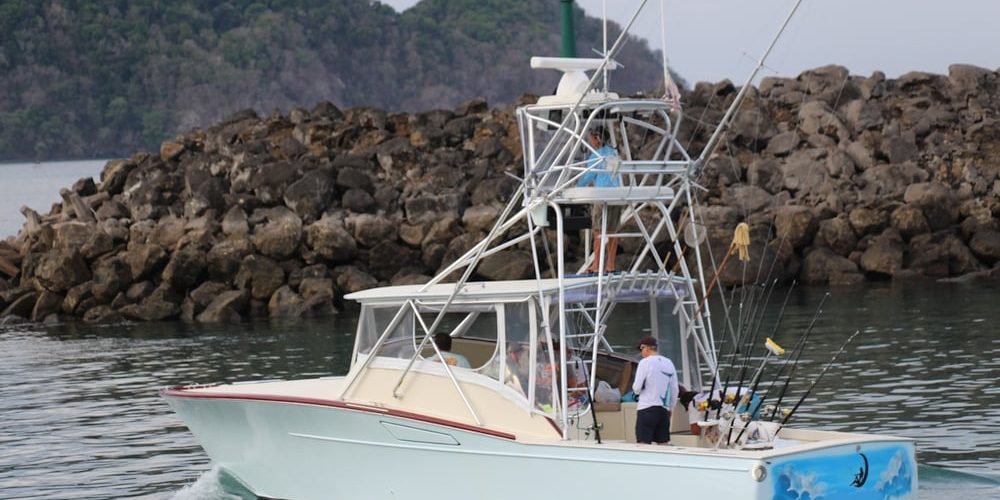
What Fish Can You Catch on a Jaco Costa Rica Fishing Charter?
Jaco is one of the most popular destinations on Costa Rica’s Central Pacific coast for anglers looking for an exciting day on the water. The area offers access to both productive inshore fishing grounds and offshore waters where larger pelagic species can be found.
One of the biggest questions travelers have before booking a trip is simple: What fish can you catch on a Jaco Costa Rica fishing charter?
The answer depends on where you fish, the time of year, ocean conditions, and the type of charter you choose. Inshore fishing can produce roosterfish, snapper, jacks, grouper, and other coastal species, while offshore trips can target sailfish, mahi-mahi, tuna, marlin, and other large game fish.
This variety makes Jaco fishing charters appealing to both first-time anglers and experienced sport fishermen.
Whether you have only a few hours available or want to spend an entire day offshore, understanding the fish found around Jaco can help you choose the right fishing experience.
Why Is Jaco Good for Fishing?
Jaco sits along Costa Rica’s Central Pacific coast, giving anglers access to several different marine environments.
Close to shore, rocky areas, reefs, points, islands, and underwater structures provide habitat for many inshore species. Farther offshore, the Pacific opens into deeper water where larger pelagic fish travel in search of bait.
This means one destination can provide two very different fishing experiences.
An inshore trip may involve casting lures, live bait, or other tackle around coastal structure. Offshore fishing can involve trolling through deeper water while looking for species that travel through the open Pacific.
The exact species available can change throughout the year. Water temperature, currents, baitfish, weather, and seasonal fish movements all influence what anglers encounter.
For that reason, a fishing charter should be viewed as an opportunity to target specific species rather than a guarantee of catching a particular fish.
Sailfish
Sailfish are one of the most famous game fish associated with Costa Rica’s Pacific coast.
They are powerful, fast, and instantly recognizable because of their large dorsal fin, or sail.
Sailfish are generally targeted offshore, where boats can travel to deeper fishing grounds. Trolling is one of the techniques commonly used when looking for these fast-moving pelagic fish.
When a sailfish strikes, the action can become intense very quickly. Their speed and ability to make spectacular runs are a major reason anglers travel to Costa Rica specifically for offshore fishing.
If sailfish is one of your primary targets, an offshore charter gives you the opportunity to spend more time searching productive areas.
A longer trip can be especially useful because the crew has additional time to travel and adjust the fishing strategy based on the conditions encountered during the day.
Marlin
Marlin are another highly sought-after offshore species.
Different types of marlin can occur in Costa Rica’s Pacific waters, and these fish are known for their size, strength, and powerful runs.
Marlin fishing is generally associated with offshore trips rather than short inshore excursions.
Anglers specifically interested in marlin should consider how much time they want to dedicate to fishing. A longer trip provides more time on the water and allows the crew to search a wider area.
This is one reason full day and 3/4 day offshore fishing Jaco Costa Rica can be attractive to serious anglers.
There is never a guarantee that a marlin will be encountered on a particular day. Offshore fishing depends heavily on changing ocean conditions and fish movement.
Still, the possibility of encountering a large billfish is one of the reasons Jaco continues to attract sport fishermen.
Mahi-Mahi
Mahi-mahi, also called dorado, are another popular offshore target.
These colorful fish are known for their bright blue, green, and yellow coloring and their aggressive strikes.
Mahi-mahi are often associated with floating objects, weed lines, current boundaries, and areas where baitfish gather.
When conditions are right, finding a concentration of bait can sometimes lead to exciting mahi-mahi fishing.
They are also popular with anglers because they provide a combination of strong fighting ability and attractive table fare.
If you are interested in catching mahi-mahi, tell your captain or crew before the trip. They can take your target species into consideration when deciding where to fish and what techniques to use.
Yellowfin Tuna
Yellowfin tuna are another prized offshore species available in Costa Rica’s Pacific waters.
Tuna are strong, fast fish that can put fishing tackle and anglers to the test.
They often travel through offshore waters while following concentrations of bait. Because their location can change, successful tuna fishing requires crews to pay attention to current conditions.
Yellowfin tuna can be particularly exciting because the fish are powerful swimmers.
For anglers who enjoy physically demanding fights, tuna can be an excellent offshore target.
A longer offshore trip gives the crew more time to search for productive areas, which is one reason anglers interested in tuna may prefer a 3/4-day or full-day offshore charter rather than a short trip.
Roosterfish
Roosterfish are one of the most recognizable inshore species found along Costa Rica’s Pacific coast.
They get their name from the distinctive dorsal fins that resemble a rooster’s comb when raised.
Roosterfish are powerful fighters and are a favorite target for anglers fishing closer to shore.
Unlike sailfish, marlin, and other offshore pelagic species, roosterfish are generally targeted around coastal structure.
Rocky shorelines, reefs, points, islands, and other underwater features can create productive areas for inshore fishing.
This makes roosterfish an excellent target for anglers who prefer staying relatively close to the coast.
If you want to pursue roosterfish during your Jaco fishing trip, an inshore charter may be the better fit.
Snapper are another important inshore target around Costa Rica’s Pacific coast.
Several types of snapper can be encountered, and they are commonly associated with structure.
Fishing around rocky areas and other underwater habitat can produce opportunities to target these fish.
Snapper can be a good choice for anglers who want a combination of action and variety during an inshore trip.
They can also be encountered alongside other coastal species, meaning an inshore fishing trip does not necessarily revolve around just one type of fish.
Jack Crevalle
Jack crevalle are powerful inshore predators known for their strength.
They can put up an impressive fight relative to their size, making them popular among anglers who enjoy active fishing.
Jacks may be found around coastal structure and areas where baitfish are present.
One of the advantages of inshore fishing is the possibility of encountering several different species during the same trip.
You might begin the day targeting roosterfish and encounter jacks, snapper, or another coastal species along the way.
Grouper
Grouper are another type of fish that can be encountered during inshore fishing.
They are associated with structure and can be targeted around rocky areas and reefs.
Grouper fishing can require different tactics from chasing fast-moving predators such as roosterfish or jacks.
The type of bait and tackle used can vary depending on the target and location.
If grouper is one of your preferred species, let the crew know before the trip so they understand what you would like to target.
Other Coastal Fish
One of the fun aspects of inshore fishing around Jaco is that you never know exactly what will take the bait.
In addition to the better-known species, anglers can encounter other coastal fish depending on the location and conditions.
These may include different snapper species, mackerel, smaller jacks, and other Pacific reef and coastal species.
This variety is one of the reasons inshore fishing works well for travelers who enjoy catching different types of fish rather than focusing exclusively on one trophy species.
Offshore vs. Inshore Fishing in Jaco
Choosing between offshore and inshore fishing is one of the most important decisions to make before booking your charter.
Offshore fishing takes you farther from the coast and generally focuses on larger pelagic species.
Common offshore targets can include:
- Sailfish
- Marlin
- Mahi-mahi
- Yellowfin tuna
- Wahoo
- Other pelagic species
Inshore fishing stays closer to the coastline and focuses on fish associated with reefs, rocks, islands, and other coastal structure.
Common inshore targets can include:
- Roosterfish
- Snapper
- Jack crevalle
- Grouper
- Mackerel
- Other coastal species
Both experiences offer something different.
If your dream is to battle a sailfish or marlin, offshore fishing is the logical choice.
If you prefer casting near rocky coastline and targeting roosterfish, snapper, and jacks, inshore fishing may be more appropriate.
Half-Day and Full-Day Inshore Fishing in Jaco Costa Rica
Not every angler wants to spend an entire day on a boat.
This is where half day and full day inshore fishing Jaco Costa Rica options can be useful.
A half-day trip can be a good choice for travelers who want to experience fishing while leaving time for other activities.
For example, you may want to spend the morning fishing and still have the afternoon available for the beach, sightseeing, or another Jaco activity.
A full-day inshore trip gives you more time to explore different areas and change fishing locations throughout the day.
It may be a better fit for anglers who want to spend as much time as possible pursuing coastal species.
Full-Day and 3/4-Day Offshore Fishing in Jaco Costa Rica
Offshore fishing generally requires more time because the boat must travel away from the coast to reach deeper fishing grounds.
This is where full day and 3/4 day offshore fishing Jaco Costa Rica trips become particularly useful.
A longer trip provides more time to:
- Travel to offshore fishing grounds
- Search for productive water
- Follow bait activity
- Adjust fishing techniques
- Target multiple species
- Spend more time actively fishing
If your primary goal is to catch a sailfish, marlin, mahi-mahi, or tuna, consider how much time you are willing to spend offshore.
A longer trip does not guarantee a catch, but it gives you more time to fish and explore offshore waters.
What Determines Which Fish You Catch?
Several factors influence the fish you may encounter during a Jaco fishing charter.
Season
Fish populations and movements change throughout the year.
Some species may become more active or easier to target during certain periods, while other species can be available during different parts of the year.
Ocean Conditions
Water temperature, currents, wind, waves, and other conditions influence where fish are located.
Bait Availability
Predatory fish often follow concentrations of baitfish.
When bait is present in an area, larger predators may be nearby.
Location
Inshore and offshore environments attract different types of fish.
Fishing near coastal structure is very different from trolling offshore.
Fishing Technique
The method used can influence which species are targeted.
Trolling, casting, live bait fishing, and bottom fishing can all produce different opportunities.
What Type of Jaco Fishing Charter Should You Choose?
Your ideal trip depends on what you want to catch.
Choose Inshore Fishing If:
- You want to target roosterfish.
- You prefer staying closer to shore.
- You have limited time.
- You are new to fishing.
- You want a shorter trip.
- You want to target a variety of coastal species.
Choose Offshore Fishing If:
- You want to target sailfish.
- You are interested in marlin.
- You want to pursue mahi-mahi or tuna.
- You enjoy big-game fishing.
- You are comfortable spending several hours on the ocean.
- Fishing is one of the main purposes of your Costa Rica vacation.
Choose a Longer Charter If:
- You have a specific offshore species in mind.
- You want more time to search for productive water.
- You want to maximize your fishing time.
- You are an experienced angler.
- You want to explore farther offshore.
Are Jaco Fishing Charters Good for Beginners?
You do not have to be an experienced angler to enjoy a fishing trip in Jaco.
Many visitors arrive with little or no fishing experience.
An inshore trip can be a comfortable introduction because you can spend less time traveling and more time learning how to handle the equipment and fish.
The captain and crew can explain how the equipment works, how to handle a fish, and what to expect throughout the trip.
More experienced anglers may prefer longer offshore trips because they can pursue larger pelagic species and spend more time on the water.
Before booking, explain your experience level and fishing goals so you can choose a charter that matches your expectations.
What Should You Expect on a Jaco Fishing Charter?
While every charter is different, a typical fishing trip begins with a briefing from the captain or crew.
You will usually learn about the boat, fishing plan, safety procedures, and the species you will be targeting.
Once you reach the fishing area, the crew prepares the tackle and gets the lines or bait ready.
From there, the day can change quickly.
One moment you may be waiting for a bite, and the next you may be fighting a powerful fish.
The crew can help with equipment and provide guidance throughout the fight.
The experience is not only about catching a fish. It is also about being on the Pacific, watching the coastline disappear behind you, and experiencing Costa Rica’s marine environment.
Tips for Choosing Your Fishing Trip
Before booking, think about the species you most want to catch.
If roosterfish is your priority, ask about inshore fishing.
If you dream of catching a sailfish or marlin, ask about offshore options.
Also consider how much time you have available.
A half-day trip may be enough for a traveler who simply wants to experience fishing. A full-day or 3/4-day trip may be more appropriate for someone who wants to dedicate a substantial part of the vacation to fishing.
Most importantly, remember that fishing is unpredictable.
Even during a traditionally productive season, there is no guarantee that you will catch a specific species.
Experienced crews use current information and conditions to determine where to fish, but the ocean ultimately determines what happens on the day.


